
Choosing and Working With an Architectural Fabricator
We’re often brought into a project because someone has an idea that needs to become a real, physical thing. Maybe it’s a large sculptural ceiling feature, a complicated wall element, a custom beam, or a shape that doesn’t exist in any standard product catalog. The question quickly becomes: How are we actually going to build this?
That’s where an experienced architectural fabricator comes in.
The job is to take the design intent, work through the technical details, and develop a solution that can be manufactured, finished, transported, and installed. At KMDI, problem-solving is a big part of what we do. We’re not just looking at how something will look when it’s finished. We’re thinking about how it’s going to get there.
Table of Contents
- Choosing and Working With an Architectural Fabricator
- What Does an Architectural Fabricator Do?
- When Should an Architectural Fabricator Get Involved in a Project?
- Can an Architectural Fabricator Provide Design Support?
- How Do Fabricators Work With Architects, Designers & General Contractors?
- What Happens After a Design Is Approved?
- Why Fabrication and Installation Experience Matter
- Related Blog posts
What Does an Architectural Fabricator Do?
An architectural fabricator takes a design concept and figures out how to turn it into something that can actually be built.
That involves a lot of moving parts. Materials, dimensions, weight, structure, attachment methods, finishes, tolerances, transportation, installation and the conditions at the jobsite all have to work together. A great-looking concept doesn’t do much good if it can’t make it through the door or requires a dozen field modifications to install.
Custom fabrication services help bridge that gap between design and construction. An architectural fabricator works with the project team to understand what the design is trying to accomplish, then develops the details and processes needed to make it happen.
Dive deeper: What Is Architectural Fabrication? A Guide to Custom Commercial Interiors
When Should an Architectural Fabricator Get Involved in a Project?
The earlier, the better.
That doesn’t mean every project needs a fabricator sitting at the table from the first sketch. But when a design includes complex custom elements, bringing in an architectural fabricator during the design or pre-construction phase can save a lot of headaches later.
Once drawings are complete, some decisions are already locked in. A material may have been selected without considering its weight. A feature may be too large to transport as one piece. An attachment method may not work with the existing structure. Or the installation plan may look fine on paper but become difficult once you’re standing on the jobsite.
Early involvement gives the fabricator an opportunity to look at the design from a buildability standpoint. During those early conversations, we focus on identifying feasibility, considering materials, weight, attachment and possible installation issues before they become expensive problems and there is still time to make adjustments.
Can an Architectural Fabricator Provide Design Support?
Absolutely. In fact, that’s often where the relationship becomes most valuable.
A good fabricator should be more than the company that receives finalized drawings and sends something back. As a design fabrication partner, we can bring practical experience to the table while the project is still taking shape.
Translating Design Intent Into a Fabricatable Solution
There’s an important distinction between changing a design and figuring out how to build it.
That might mean recommending a different material, breaking a large feature into manageable sections, adjusting the construction method, or developing a custom solution around the project’s specific requirements.
With custom architectural fabrication, there isn’t always a standard playbook. That’s part of the work. You look at the design, understand the intent, consider the real-world constraints, and find a way forward.
Shop Drawings, Submittals & Project Coordination
Once a direction is established, the details matter.
KMDI develops shop drawings and submittal documentation to define how custom elements will be fabricated and installed. These drawings help the project team understand dimensions, construction, connections and other important details before production begins.
Coordination is just as important. Custom architectural elements rarely exist on their own. They have to work with structure, lighting, ceilings, walls, finishes and other trades.
Clear documentation and communication help identify conflicts early and keep everyone working from the same information.
How Do Fabricators Work With Architects, Designers & General Contractors?
Every member of the project team is looking at the job from a slightly different angle, and that’s exactly why the fabricator needs to be able to work across all of them.
Architects and designers are focused on the vision and the details that make the space what it is. They need a fabrication partner who understands the design intent and knows how to preserve it while working through the technical side.
General contractors are looking at schedule, coordination, installation and what is actually going to happen in the field. They need architectural fabrication services that account for the realities of construction, not just what works in a drawing.
The fabricator sits in the middle of those conversations, helping connect design intent with the practical requirements of fabrication and installation.
What Happens After a Design Is Approved?
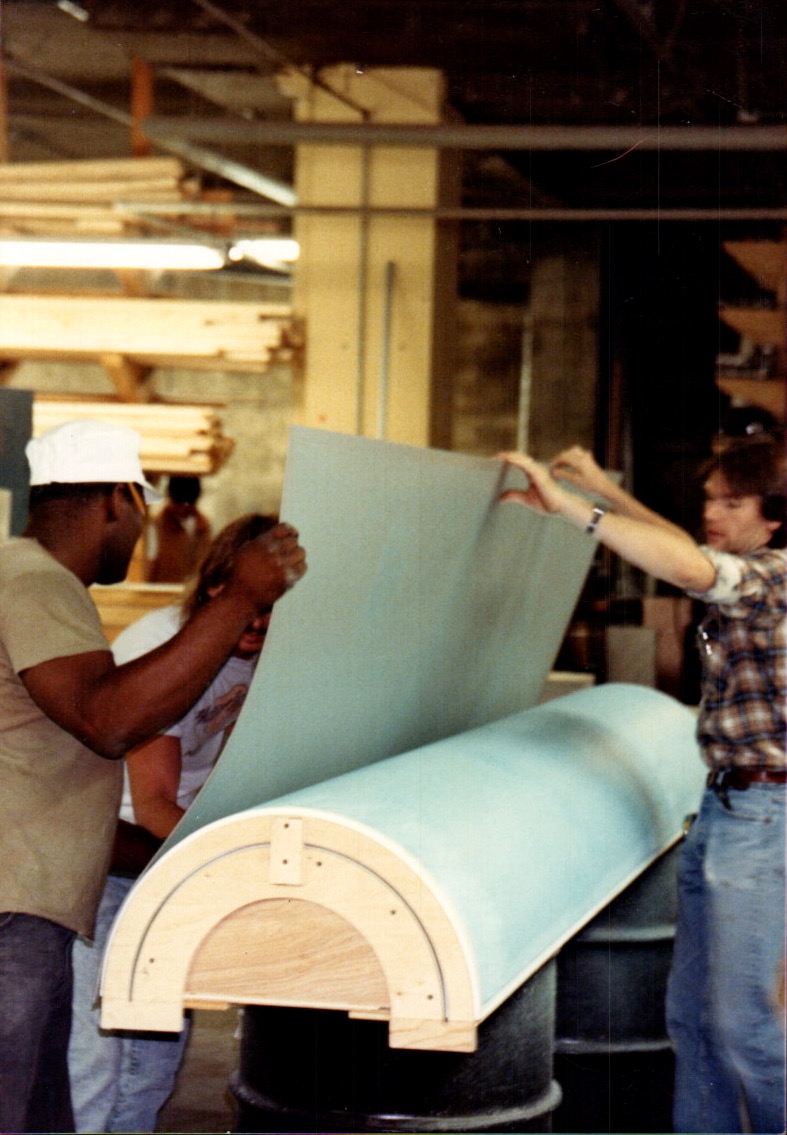
Once the design is approved, the project moves into fabrication, where materials are cut, formed, assembled and prepared according to the approved details. Depending on the project, components may also be finished or coated before they leave the shop.
Quality control happens throughout the process, not just at the end. Dimensions, fit, finish and other project requirements are checked before components are prepared for delivery.
Then there’s shipping. Large or unusual architectural elements need to be packaged, transported and handled carefully, so we don’t leave that part to chance. KMDI custom-builds shipping containers and protective boxes for each project based on the size, shape and requirements of the components inside. Our custom shipping boxes have helped us achieve a 99.5% success rate for damage-free delivery.
That attention to detail continues through site preparation and installation. Installation requirements need to be understood before the truck arrives at the jobsite. Good planning at each stage keeps the work moving and helps make sure what leaves our shop arrives ready to install.
Why Fabrication and Installation Experience Matter
This is one of those things you learn by doing. You can design a beautiful architectural feature, but if nobody thinks about how it will be moved, handled and installed, you can end up with a problem that has nothing to do with the design itself.
Large features may need to be broken into sections for shipping. Components may need specific attachment points. Certain materials may need protection during transportation. Installation equipment, access and sequencing can all affect how something should be fabricated.
At KMDI, we think about the finished installation while we’re still figuring out how to build the piece. We’re looking at the whole process, from the first drawing to the shop floor to the jobsite.
For your custom fabrication and custom fabrication needs, look no further than KMDI, and our use of MicroLite!™, to deliver the best custom design and fabrication experience—in any size, any shape, and any finish.
Contact us today to bring your designs to life.