If you’ve ever walked into a finished space and thought, “That’s not what we designed,” you’re not alone. Somewhere between concept and completion, design intent can get lost. Details shift, materials change, and suddenly the final product doesn’t look or function like the original vision.
It’s not always one big failure that causes the disconnect. More often, it’s a hundred little compromises along the way. The wrong fastener here, an overlooked clearance there, a fabrication tweak that saves time but alters the look. By the end, it adds up.
At KMDI, we believe design intent shouldn’t be something that fades during the build. It should carry through every phase, from first model to final install. That takes more than just technical skill. It takes collaboration, trust, and a willingness to protect the vision even when things get complicated.
Where Things Start to Slip
Designers and architects spend a lot of time refining their plans. Every detail has a purpose. Every material, joint, and reveal tells part of the story. But once the drawings leave the design studio and enter the world of bidding, value engineering, and construction schedules, those details can start to fall away.
Sometimes it’s about cost. Other times it’s about convenience. Maybe someone in the field decides to swap a custom panel for an off-the-shelf solution. Or a fabricator simplifies a joint to avoid extra steps on the shop floor. Each of those decisions might seem small, but together they can change the tone of the entire space.
Fabrication Should Be Part of the Design Conversation
One of the biggest reasons design intent fails is that fabrication is treated as a step that comes after design, rather than a partner within it.
That’s where we do things differently. At KMDI, we see ourselves as an extension of the design team. Our job is to make sure your ideas are not only buildable, but buildable in a way that preserves what makes them special. That means getting involved early, asking questions, and working through the tricky spots together.
We’ve seen time and again that when the shop is looped in from the start, the final product looks and feels a whole lot closer to the original vision.
Adaptation Without Sacrificing Vision
We know that things change during a project. Timelines shift. Site conditions surprise you. Materials need to be re-evaluated. That’s part of the process. The key is adapting without losing the thread.
When something isn’t working as planned, we don’t just suggest a cheaper or faster workaround. We look for alternatives that still respect the original design. Sometimes that means adjusting how something is fabricated. Other times it means using a smarter material.
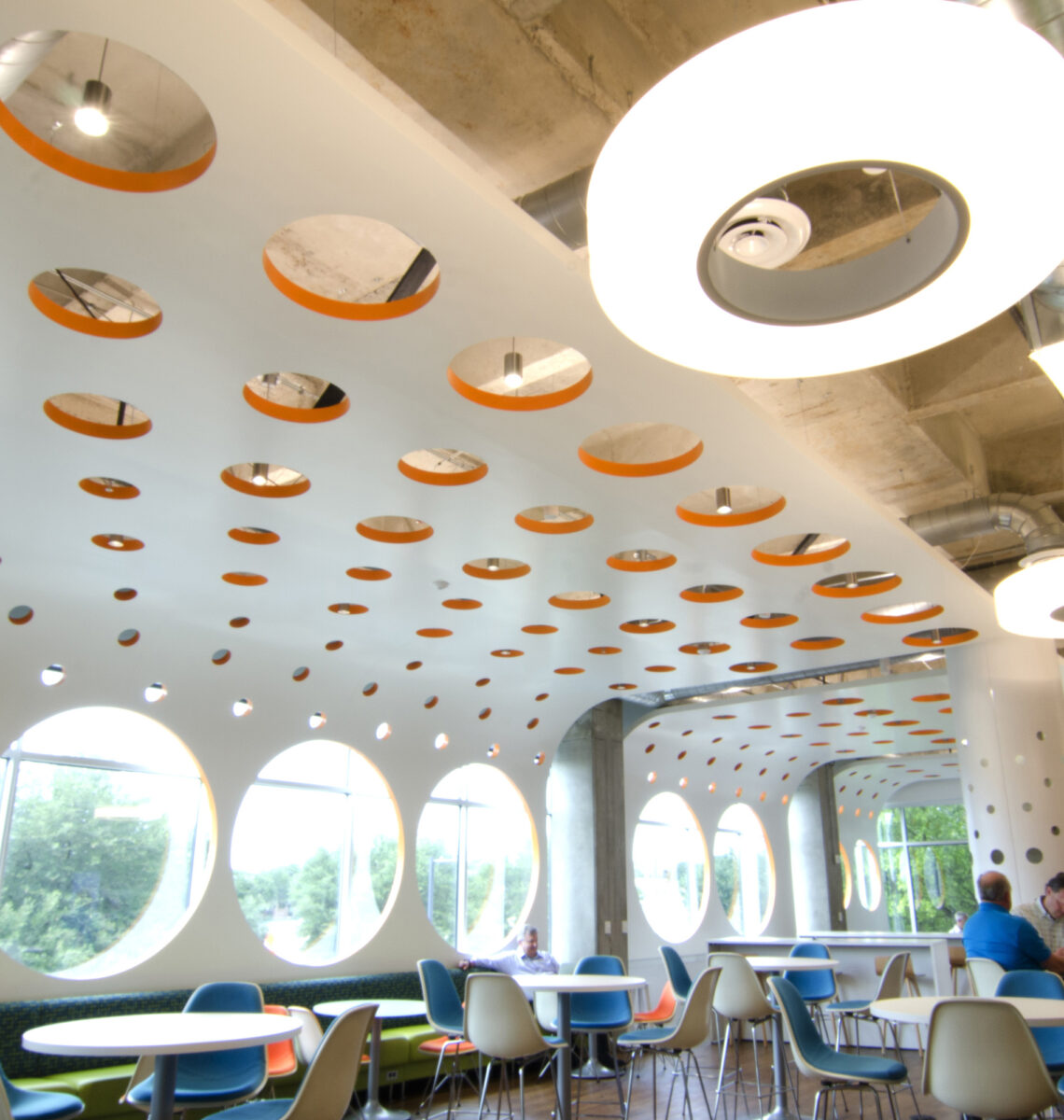
MicroLite! is a good example of this. It gives us flexibility during fabrication without forcing designers to give up on the look or function they want. It installs cleanly, handles tight tolerances, and allows for creative details that standard materials can’t match. Having the right materials in our toolkit helps us say yes more often, even when the job gets tricky.
Collaboration is a Two-Way Street
We’ve learned that the best projects come from teams that trust each other. Designers know what they want the space to feel like. Fabricators know what it takes to make it real. When both sides listen, challenge, and refine together, the result is something everyone can be proud of.
We’re not here to say yes to everything without question. We’re here to help find the best version of the idea. That might mean flagging a potential installation issue or proposing a cleaner joint that keeps the detail intact while simplifying the build. It’s all in service of making sure the finished product tells the story it was meant to tell.
Keeping the Vision on Track
Design intent doesn’t have to be a casualty of construction. With the right fabrication partner, it can be one of the strongest throughlines in your project.
At KMDI, we’re committed to building with care, clarity, and creativity. We treat every project as a chance to bring your ideas to life, not just in form, but in feeling. That means staying curious, speaking up when something doesn’t add up, and using materials like MicroLite! to bridge the gap between concept and construction.
We’re here to help your vision go the distance.
Let's talk Frequently Asked Questions
What does "design intent" mean in a construction or fabrication context?
Design intent refers to the original vision and purpose behind an architectural or interior design. It includes the aesthetic, function, and details that define how a space should look and feel. Preserving that intent throughout fabrication and construction ensures the final result aligns with what the designer envisioned.
Why is design intent often lost during the build phase?
Design intent can slip away due to changes in budget, site conditions, rushed timelines, or lack of communication between design and fabrication teams. Small adjustments that seem harmless can add up and significantly alter the end result.
How does KMDI help protect design intent?
At KMDI, we work closely with designers and architects from the beginning. We ask questions, offer buildable alternatives, and collaborate on solutions when challenges arise. Our team combines hands-on experience with materials like MicroLite! to adapt without sacrificing the original vision.
What role does MicroLite! play in preserving design intent?
MicroLite! allows us to build creative, detailed features without compromising quality or clean installation. Its flexibility and durability make it easier to stay true to the design while adapting to real-world conditions.
When should we involve KMDI in a project?
The earlier, the better. Bringing us in during the design or early development phase allows for proactive collaboration. We can help flag potential fabrication challenges and propose solutions that keep your design intact and on track.