Branding in 3D: Using Architectural Features to Bring Interiors to Life
Branding doesn’t stop at a logo or a color palette. The most memorable brands carry their identity into the physical spaces people move through every day. That’s where architecture comes in.
When done well, branded interior design goes beyond decoration. They create environments that feel intentional, immersive, and aligned with the brand at every level.
Beyond Logos: What Are “Branded Interiors”?
From Environmental Graphics to Experiential Design: the Evolution of Branded Spaces
Branded spaces have evolved. What used to be limited to signage and wall graphics has become something more integrated and architectural. Today, branding shows up in materials, forms, lighting, and spatial design.
Feature walls, ceiling elements, fixtures, and wayfinding systems all work together to create a cohesive experience. Instead of applying branding to a finished space, the space itself becomes the brand.
Why First Impressions Matter: Physical Space as the Face of the Brand
A physical space is often the first real interaction someone has with a brand. Whether it’s a retail store, hospitality environment, or workplace, that first impression shapes how people perceive quality, attention to detail, and overall credibility.
Customers notice when a space feels intentional. Employees do too. A well-branded environment communicates clarity, confidence, and consistency without needing to say a word.
Elements of a Branded Interior Environment
Feature Walls with Identity, Logos, Taglines, and Art Installations
Feature walls are one of the most direct ways to express a brand in three dimensions. Logos, taglines, materials, and layered elements can come together to tell a story visually.
When custom fabricated, these walls move beyond flat graphics. They add depth, texture, and permanence, turning a simple backdrop into a defining moment within the space.
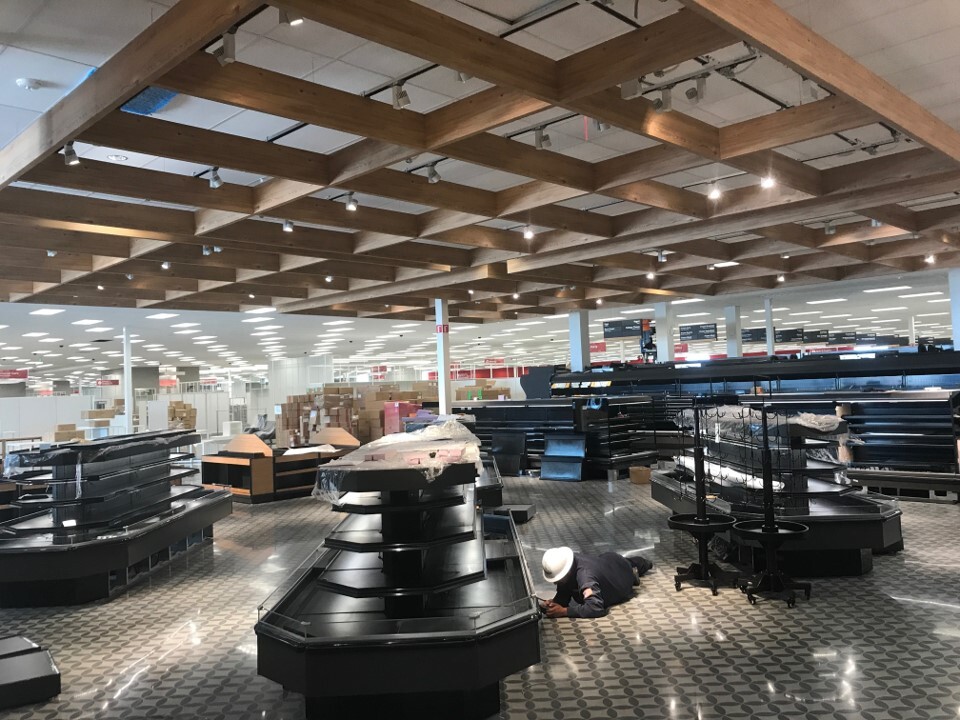
Branded Ceilings and Fixtures: Incorporating Brand Colors, Shapes, or Themes Overhead
Ceilings are often overlooked, but they offer a powerful opportunity to extend brand identity overhead. Color, form, and material can all be used to reinforce a theme or create a recognizable visual language.
Custom ceiling features, beams, and suspended elements can introduce movement and scale while tying the entire space together.
Integrated Wayfinding and Signage: Navigational Elements That Complement the Interior Design
Wayfinding doesn’t have to feel separate from design. When integrated thoughtfully, signage becomes part of the architecture.
Directional elements, numbering systems, and informational signage can be fabricated to match materials, finishes, and forms within the space. The result is navigation that feels intuitive and cohesive rather than added on.
Benefits of a Well-Branded Space
Enhanced Customer Experience and Loyalty
When the physical environment aligns with the brand’s identity, it creates a more cohesive and memorable experience. Customers are more likely to stay engaged, return, and form a stronger connection to the brand.
Employee Pride and Productivity in On-Brand Workplaces
Branded environments don’t just impact customers. They influence how employees feel about where they work. Spaces that reflect company culture and values can increase engagement, reinforce identity, and create a greater sense of ownership.
Differentiation in Competitive Markets
In crowded industries, physical space becomes a competitive advantage. A well-executed branded environment stands out, creates recall, and gives people a reason to come back.
From Vision to Reality: The Fabrication Process
Collaborating with Designers and Brand Teams
The most successful branded interiors begin with collaboration. Designers, brand teams, and fabricators need to work together early to translate brand guidelines into physical elements that can actually be built.
This is where ideas shift from concept to something tangible.
Materials and Techniques for Custom Brand Elements
Bringing brand elements into the built environment often means working with materials like acrylic, metal, or wood, each with its own limitations in weight, flexibility, and installation.
MicroLite!™ offers a more adaptable approach. As a lightweight composite, it allows for the same high-end finishes and precise color matching required for brand standards, while enabling larger, more complex forms that would be difficult or impractical with traditional materials.
Installation Challenges: How to Install Large Branded Features Safely in Existing Spaces
Installing large branded elements in real-world conditions requires more than just good design, it requires precise fabrication and field expertise. Structural limitations, existing site conditions, and coordination with multiple trades all have to be accounted for long before installation day.
At KMDI, installation is considered from the start. Our team engineers each feature with constructability in mind, templating and fabricating components to ensure a precise fit once on site. From large feature walls to suspended ceiling elements, we plan for how each piece will be handled, supported, and assembled within the space.
That hands-on approach allows us to navigate constraints, streamline installation, and maintain the integrity of the original design, delivering complex branded features safely, efficiently, and exactly as intended.
The ROI of Immersive Brand Spaces
Impact on Customer Willingness to Pay and Satisfaction
Research from Harvard Business Review suggests that well-designed interiors can drive up to a 20% increase in productivity and customer satisfaction, with branded environments amplifying that impact to as much as 30%.
That interior brand experience plays a major role in how people perceive and engage with brands. Environments that feel intentional and immersive can increase satisfaction, encourage longer visits, and even influence willingness to spend.
Why Branded Environments Are Worth the Investment for Companies and Developers
Branded interiors are more than a visual upgrade. They are an investment in how a company is experienced every day.
For developers, they add value and appeal to tenants and guests. For brands, they reinforce identity in a way that digital touchpoints alone can’t.
Environmental branding design is about more than aesthetics. From corporate feature walls and branded office spaces to custom lobby design and fully branded retail stores, when branding is carried through the built environment, it stops being something you see and becomes something you experience.
Let’s Design Something Together
For your custom fabrication and custom fabrication needs, look no further than KMDI, and our use of MicroLite!™, to deliver the best custom design and fabrication experience—in any size, any shape, and any finish.
Contact us today to bring your designs to life.